Scott Worland: Learning Beyond the Classroom
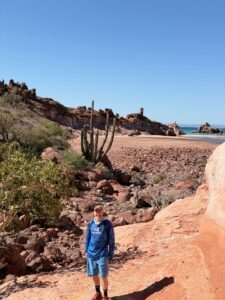
Last year, Science Department Chair Scott Worland P’22 and ’27 had the opportunity to step outside the classroom and into the field as a participant in an Ecology Project International (EPI) teacher fellowship in Baja California Sur, Mexico. The immersive experience brought together field science, conservation education, cultural exchange, and collaboration with educators from around the world.
Much of the fellowship focused on the remarkable ecosystem of the Gulf of California. Scott practiced field research methods, studied marine life, participated in citizen-science activities, and explored conservation issues including biodiversity, water use, plastic pollution, and tourism. He also examined the relationship between local communities and the environments they call home.
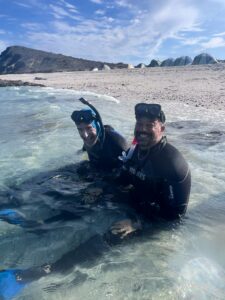
For Scott, the experience reinforced a philosophy at the heart of science education: learning science by doing science.
“Whether students are studying Vermont forests, streams, vernal pools, or schoolyard ecosystems, the goal is the same: to help them ask meaningful questions, collect real data, and see themselves as part of the work of understanding and caring for the natural world.”
The lessons Scott brought home extend far beyond the Gulf of California. He returned with new perspectives, stories, research methods, and real-world connections that he can bring directly into the classroom and into the field with LTS students. His experience is a reminder that science is not something that exists only in textbooks or laboratories. It is something we experience by observing, questioning, investigating, and engaging with the world around us.
At Long Trail School, we believe great teaching begins with lifelong learning. When our teachers continue to learn, our students do, too.
 Main News